
TLDR: A sensory-friendly home is a dynamic, responsive space that grows with your child. It’s not about a perfect looking home, but about creating an environment that meets your child where they are, supports their regulation, and celebrates their individuality. Occupational therapy can help tailor these strategies to your child’s unique sensory profile, making your home a true sanctuary for growth and connection.
5 Key Components in Building a Sensory-Friendly Home for Your Child
Creating a sensory-friendly home doesn’t always have to involve expensive equipment or dramatic renovations. With a little intention behind the planning, you can craft out an environment where your child feels safe, regulated, and empowered to explore. Whether your child is neurodiverse or simply sensitive to sensory input, small changes can make a big impact. As occupational therapists, we guide families in designing spaces that support emotional regulation, sensory integration, and functional independence. Here are five key components to consider:
Sensory Zones for Regulation and Play
Children benefit from having designated areas that support different sensory needs. A “calm corner” with soft pillows, weighted blankets, noise-canceling headphones, and dim lighting can help with emotional regulation. A “movement zone” with a mini trampoline, crash mat, or swing encourages vestibular and proprioceptive input. These zones don’t need to be large, just intentional and obvious. The goal is to offer choices for self-regulation throughout the day.
Thoughtful Lighting and Sound Control
Harsh lighting and unpredictable noise can overwhelm sensitive children. Opt for warm, adjustable lighting (e.g., lamps, dimmers, or string lights) instead of bright overhead bulbs. Use blackout curtains to control natural light and reduce visual overstimulation. For sound, consider soft background music, white noise speakers, or acoustic panels to dampen echoes. These adjustments help create a soothing sensory landscape.
Organized and Predictable Spaces
Clutter can be visually and mentally overstimulating. Keep toys, books, and materials organized in labeled bins or baskets. Use visual schedules, picture labels, and color-coded systems to help your child navigate their environment independently. Predictable spaces reduce anxiety and support executive functioning. When children know where things belong and what to expect, they feel more in control and less dysregulating.
Sensory-Friendly Materials and Textures
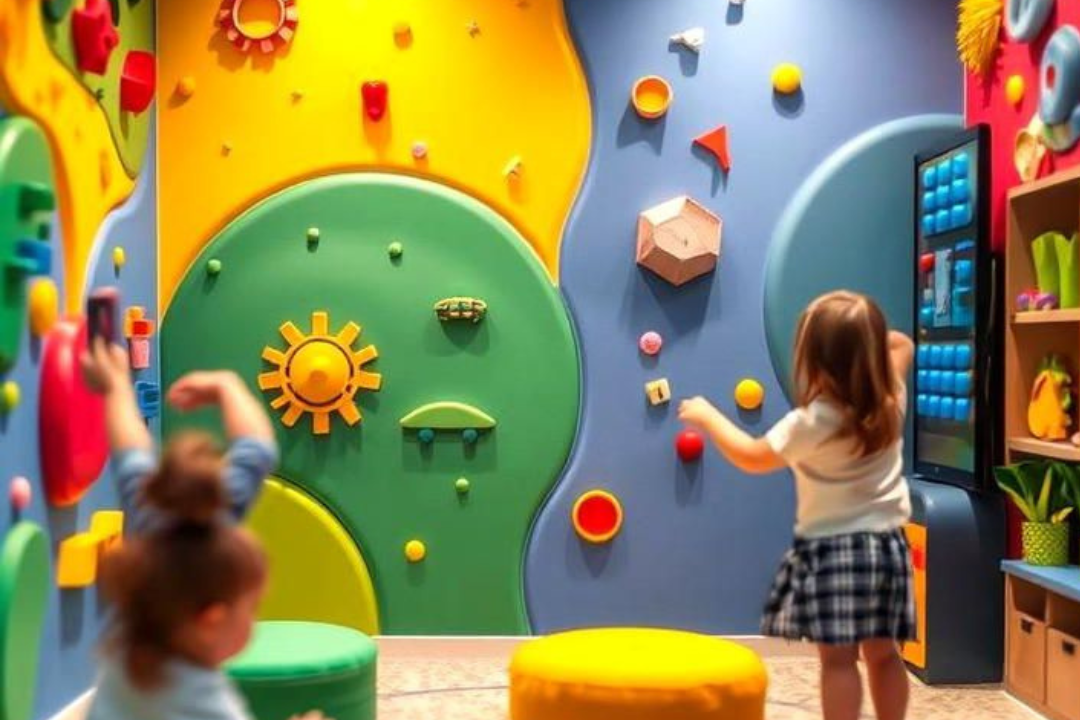
Offer a variety of textures and materials that your child can explore safely. Soft rugs, fuzzy cushions, smooth wooden toys, and textured wall panels in the environment can provide tactile input without enforcing it or making it overwhelming. Pay attention to your child’s preferences—some may seek deep pressure, while others avoid certain fabrics or surfaces. Incorporating preferred textures into daily routines (e.g., cozy pajamas, soft towels) can make transitions smoother.
Emotional Safety and Choice-Making
A sensory-friendly home is also emotionally safe. Give your child choices throughout the day on what to wear, where to sit or which activity to do first. Respect their sensory boundaries like not forcing hugs or staying put in a loud room. Use visual cues, social stories, and gentle language to support transitions and emotional expression. When children feel heard and respected, they’re more likely to engage and thrive.
Final thoughts
A sensory-friendly home is a dynamic, responsive space that grows with your child. It’s not about a perfect looking home, but about creating an environment that meets your child where they are, supports their regulation, and celebrates their individuality. Occupational therapy can help tailor these strategies to your child’s unique sensory profile, making your home a true sanctuary for growth and connection.
- Sensory Zones for Regulation and Play
- Thoughtful Lighting and Sound Control
- Organized and Predictable Spaces
- Sensory-Friendly Materials and Textures
- Emotional Safety and Choice-Making
 Instagram
 TikTok
 Facebook